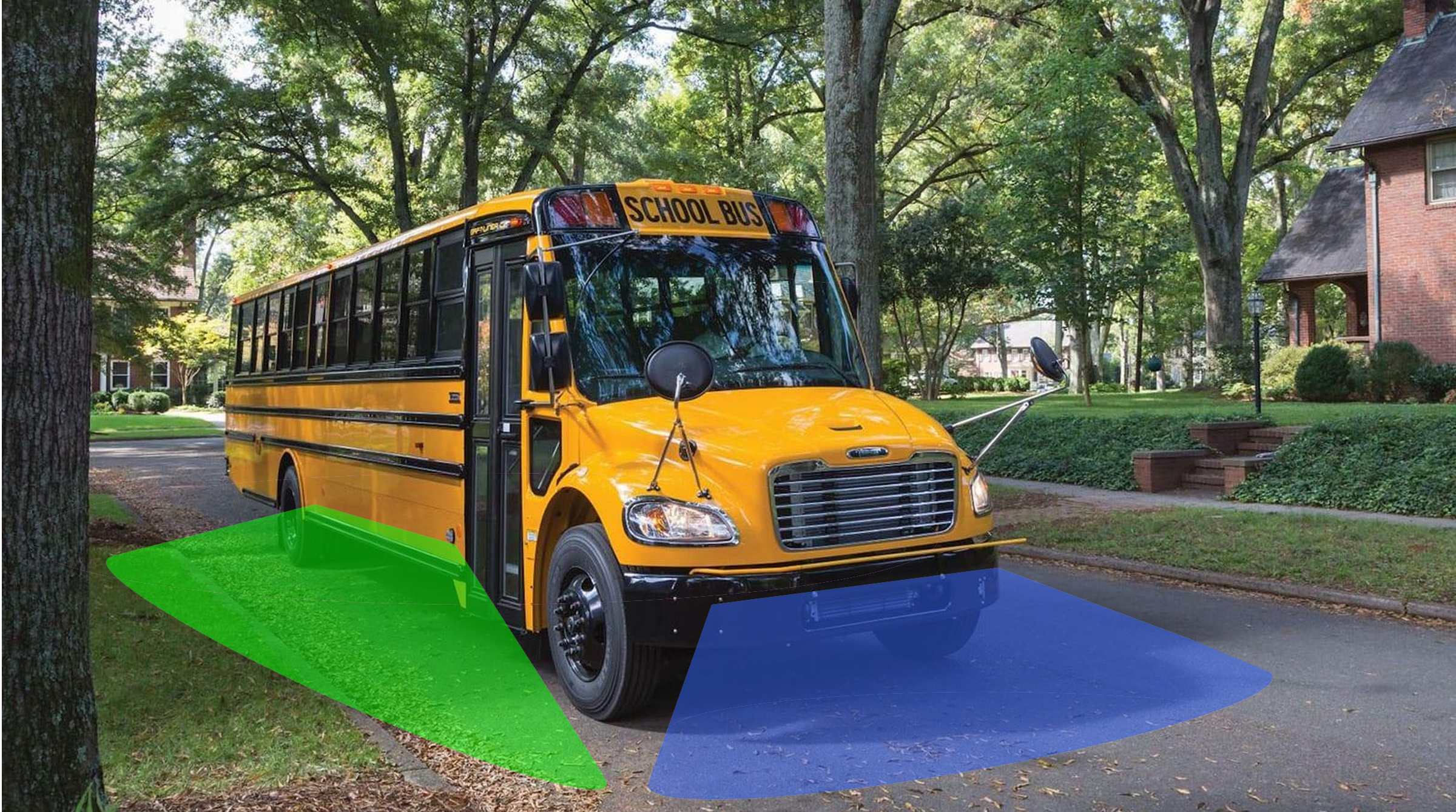
Applied coverage
Front, rear, and side detection zones
Coverage can be positioned around the vehicle areas that need additional close-range visibility.

Pedestrian and object detection
OcLUM plans compact object-sensing systems around the vehicle's blind areas, mounting limits, driver alert needs, and operating environment.
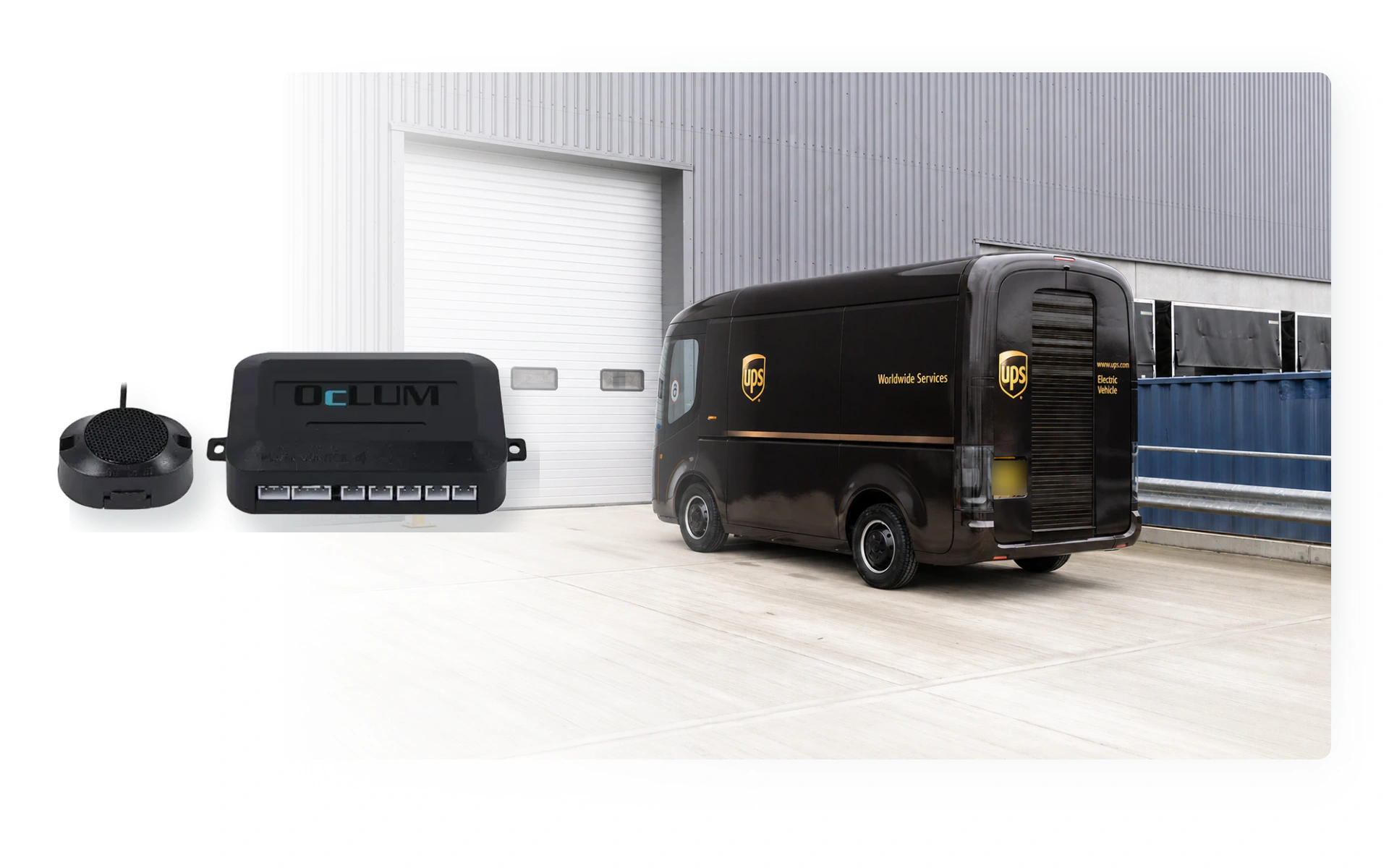
A complete system can monitor selected areas and notify the driver when an object enters a configured detection zone.
Vehicle-area coverage
The final layout depends on body shape, high-risk areas, mounting access, and whether the concern is reversing, doors, blind spots, or close-range maneuvering.
Applied coverage
Coverage can be positioned around the vehicle areas that need additional close-range visibility.
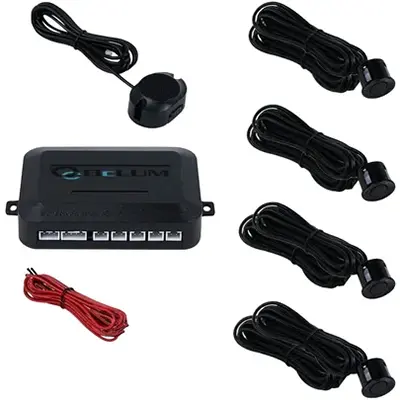
System hardware
The controller supports multiple sensor faces, an in-cab alert speaker, and installation routing planned for the vehicle.

Flexible placement
Possible uses include door areas, blind spots, high-clearance sensing, forward objects, parking, and jack-knife awareness.
Installation workflow
OcLUM reviews the vehicle and intended warning behavior first, then places the hardware where it can be serviced and where the driver can respond to the alert.
Choose the maneuver, blind spot, door zone, or vehicle edge that needs additional awareness.
Confirm mounting height, direction, clearance, and environmental exposure on the actual body.
Mount protected control hardware and position the audible alert where the driver can hear it clearly.
Verify zone response around the vehicle and adjust alignment or programming for the intended use.
System characteristics
The sensing package is selected and installed as vehicle equipment, with the final configuration confirmed for the application.
Plan the coverage
Send OcLUM the vehicle type and the area you need to monitor. We can review mounting, sensor count, warning behavior, and installation access.